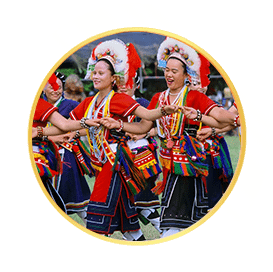
The Malayo-Polynesian language family connects many communities across oceans and islands, from Madagascar to the Pacific. Languages like Tagalog, Maori, Hawaiian, Malay, and Javanese carry rich stories that have been passed down through generations, often shared through music. These songs are not just melodies; they represent the voices of ancestors, lullabies from home, and the rhythms of daily life. Music is deeply important in Malayo-Polynesian cultures, featuring in ceremonies, storytelling, and celebrations. It expresses themes of migration, nature, faith, and love, keeping people connected to their roots, wherever they are in the world. In these communities, music helps preserve stories, beliefs, and identity. Karaoke allows people to experience this music personally. Singing in Tagalog, Maori, Hawaiian, or Malay lets you hear, speak, feel, and carry forward the language. Some of the Best Malayo-Polynesian Karaoke Songs include emotional tracks like Ikaw in Tagalog, the soulful Ka Po in Hawaiian, the playful Maori song E Papa Waiari, the beloved Malaysian folk song Rasa Sayang, and the gentle Tahitian tune Raivavae. These songs are popular not only for their sound but also for how they reflect the culture they come from. Equally important are the artists behind the songs. Legends like Freddie Aguilar shared powerful stories in Tagalog. Teresa Teng, known for her Mandarin songs, also honored her roots with songs in Hokkien. Te Vaka represented the Pacific with Tokelauan music. Today, modern artists like Yuna, Kiana Valenciano, and Alien Weaponry (who mix Maori with metal) introduce new generations to their languages through a blend of traditional and modern music. At Regional Karaoke, we provide a growing collection of Malayo-Polynesian Karaoke Tracks for singers of all levels. Each song features high-quality audio, scrolling lyrics, and customizable pitch and key settings for a personalized experience. You can perform songs like Ajnabee Kaun Ho Tum Karaoke, Dilla Gafil Karaoke, Li Tourner Karaoke, or Mere Bhai Karaoke. Our platform offers one-time purchases with instant downloads available in both MP3 and video formats. No subscription is needed, just beautiful music ready for you whenever you want it. Our karaoke tracks suit all kinds of singers, whether you are at a family gathering, teaching a language class, or just enjoying some fun at home. Each track includes scrolling lyrics, high-quality audio, and easy customization of pitch and key, so you can make it your own. With our growing collection of Malayo-Polynesian Karaoke, you’re not just singing; you’re preserving language, celebrating identity, and building community.